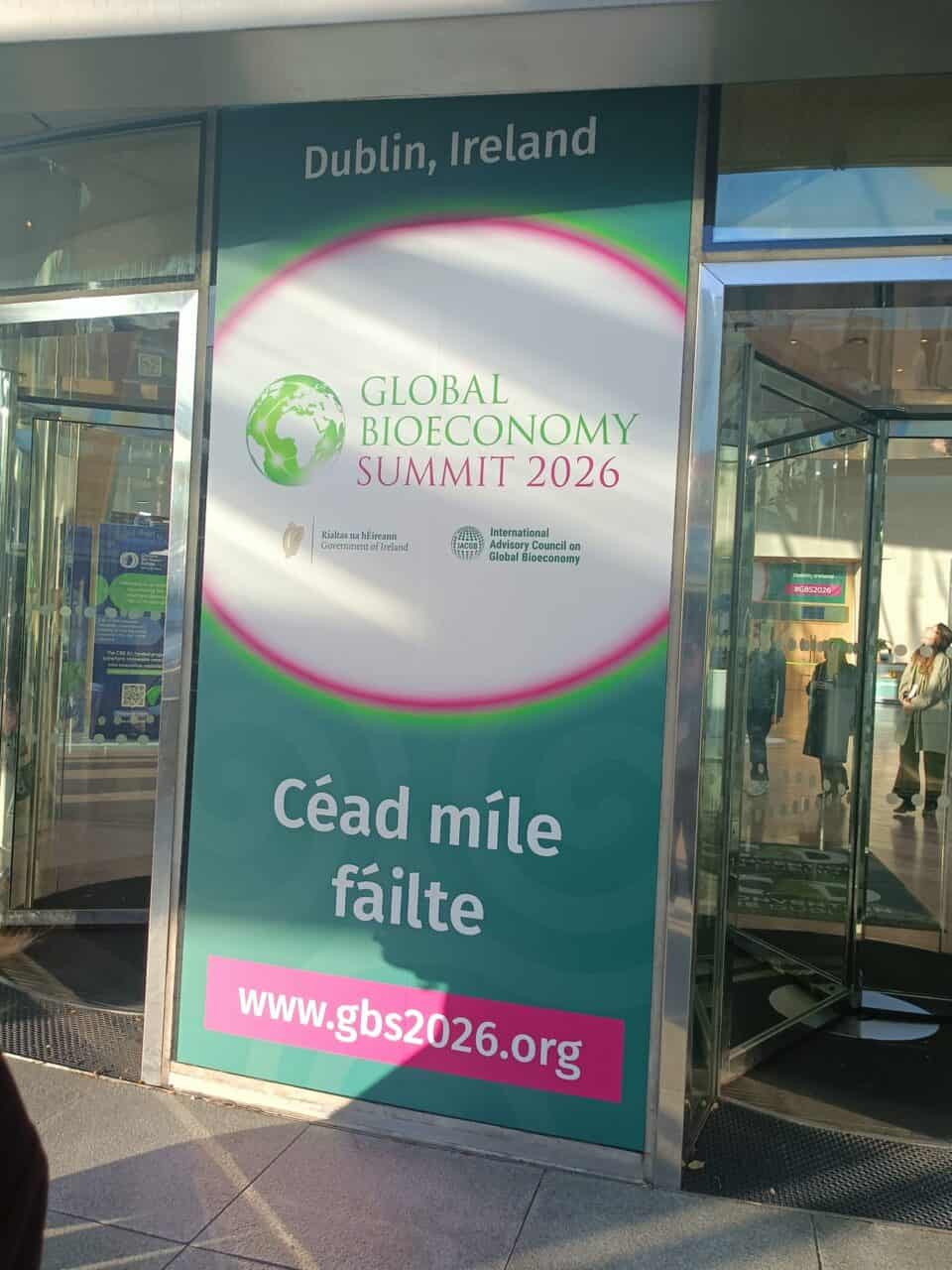
What does the future of the bioeconomy look like? How can we turn research and innovation into practical solutions that benefit businesses, farmers, communities and the environment?
These were just some of the questions at the heart of the Global Bioeconomy Summit 2026, which brought together an international community of policymakers, researchers, industry leaders, innovators and practitioners to explore how the bioeconomy can drive economic development, sustainability and climate action.
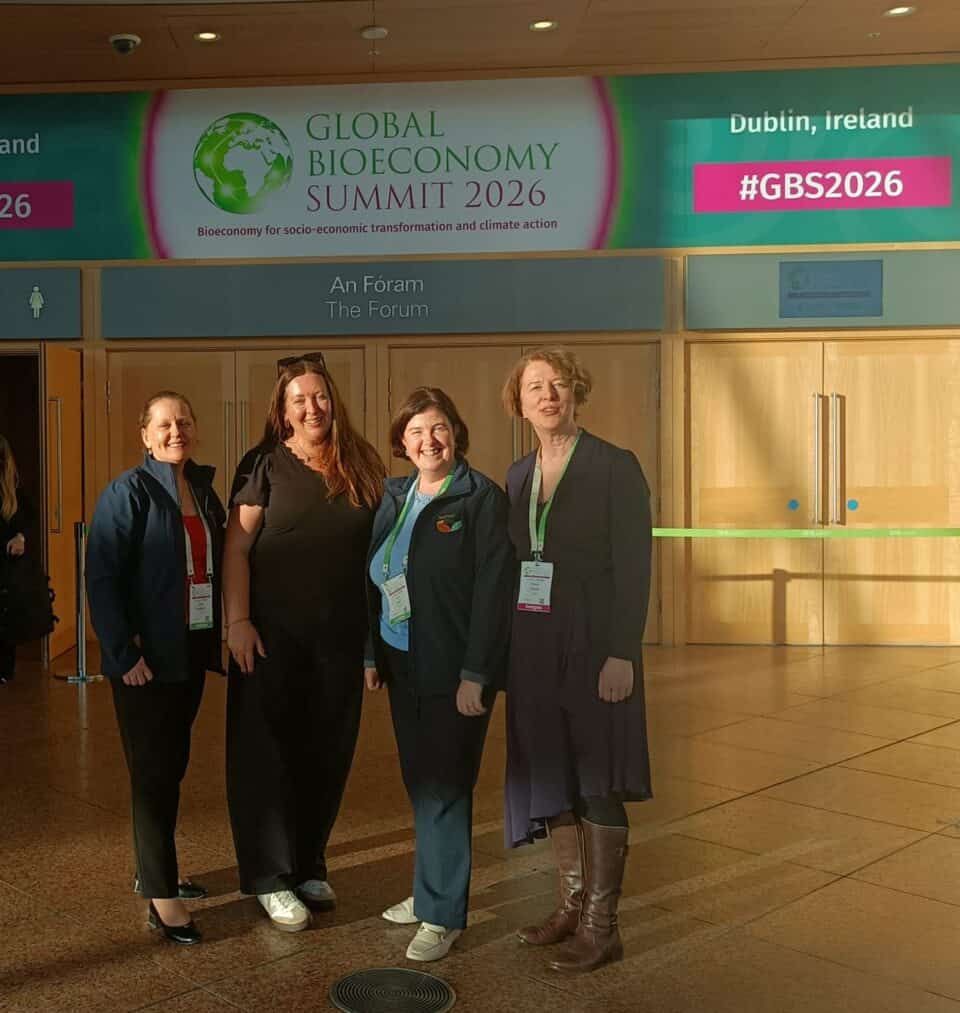
For NuaFund, the Summit was a great opportunity to take part in these conversations, showcase our work and connect with organisations and individuals driving change across the sector. The range of projects, innovations and new opportunities really demonstrated the breadth of activity taking place to support a more circular, sustainable and resilient bioeconomy.
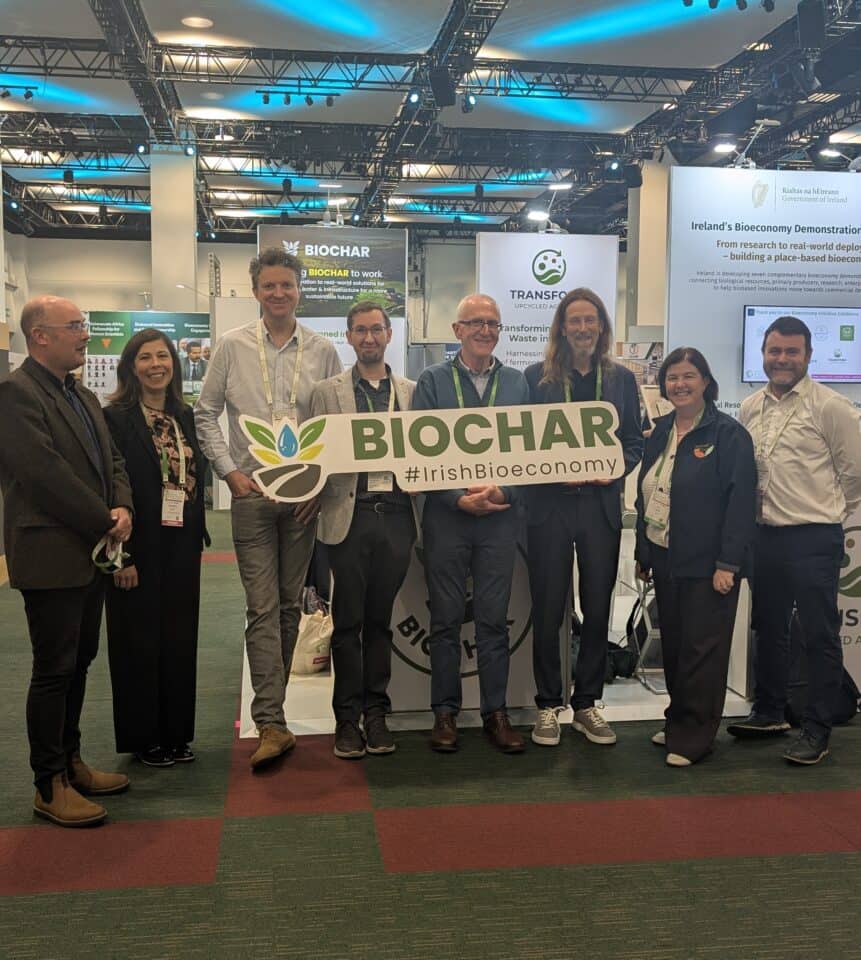
Over the two days, the NuaFund team welcomed a steady stream of visitors to its exhibition stand, sharing information about its activities and the work carried out by the team. Of the seven government-funded demonstration projects showcased, NuaFund is involved in three as a project partner: REGENERATE, BIOCHAR and Rural BioReFarmeries. NuaFund wrote the BIOCHAR funding application and supported the preparation and writing of the full applications for REGENERATE and Rural BioReFarmeries. The team also provides project management across all three initiatives, reflecting its depth of expertise and experience in the bioeconomy.
Connecting with the global bioeconomy community
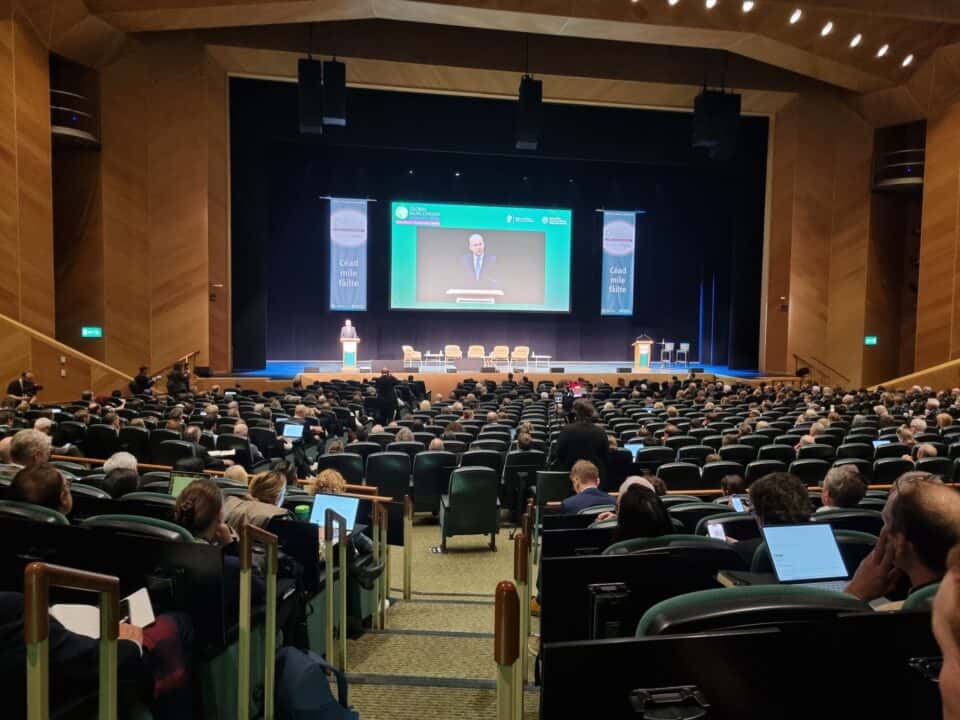
The Summit featured contributions from prominent national and international speakers, including Taoiseach Micheál Martin; Minister Martin Heydon, Minister for Agriculture, Food and the Marine; Minister Darragh O’Brien, Minister for Climate, Energy and the Environment and Jessika Roswall, European Commissioner for Environment, Water Resilience and a Competitive Circular Economy.
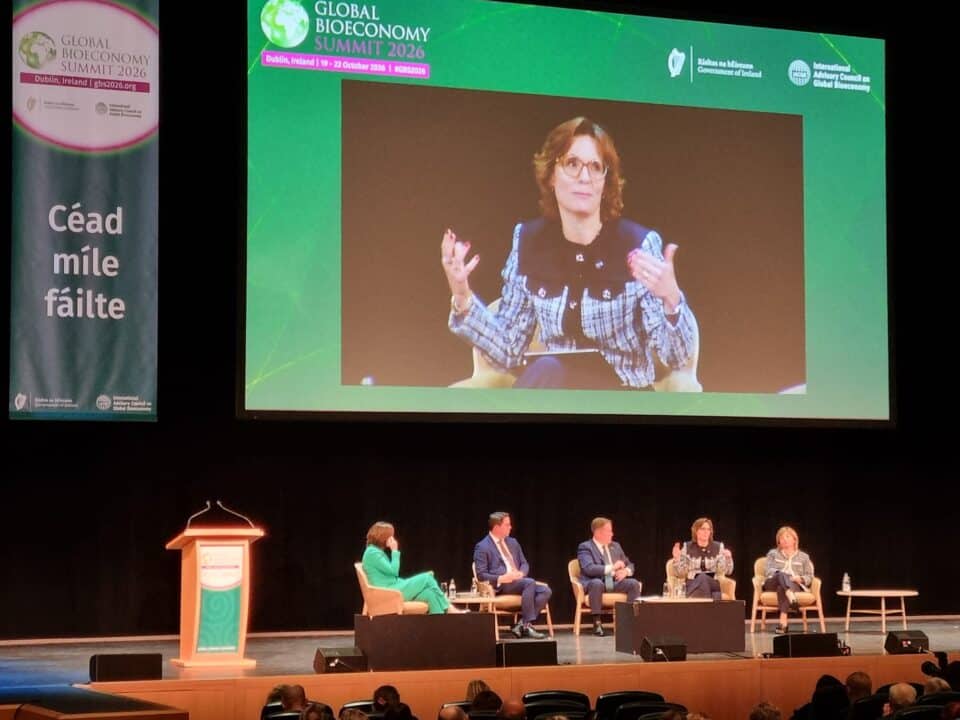
A major highlight was the launch of BioScale 2030, Ireland’s first National Bioeconomy Strategy for 2026–2030. The strategy sets out an ambitious direction for developing Ireland’s bioeconomy, supporting innovation, creating new markets and making better use of the country’s renewable biological resources.
The launch was particularly relevant to NuaFund and its project partners, as REGENERATE, BIOCHAR and Rural BioReFarmeries demonstrate how research, collaboration and practical innovation can help translate national bioeconomy ambitions into action.
The Summit’s programme of speakers, plenary sessions and discussions also provided valuable insights into the policy, research, investment and industry developments shaping the sector. The conversations reinforced the importance of connecting policy ambition with practical solutions, commercial opportunities and collaboration across the entire bioeconomy value chain.
NuaFund’s own exhibition stand provided a focal point for networking and knowledge exchange, creating opportunities to introduce visitors to its work, showcase the three projects and connect with potential collaborators and international stakeholders.
Three projects showcasing the potential of the bioeconomy
The REGENERATE project showcased the potential of circular solutions to safeguard and improve our soil health and water quality by recovering nutrients from digestate to produce valuable by-products for the bioeconomy.
A particular highlight was the opportunity to welcome Global Bioeconomy Summit delegates on a dedicated site visit to the Greenville Energy facility in Tyrone.
Visitors from a range of countries, including Germany, Guatemala, Nigeria, Japan and Poland, gained an insight into innovative approaches to nutrient recovery from digestate and how these valuable resources can be brought back into productive use. The visit demonstrated the importance of connecting research, technology and industry to develop and scale practical circular solutions.
It was an excellent opportunity to bring the project’s work to life and showcase the progress being made towards more sustainable resource management. For NuaFund, it brought to life years of work from idea refinement, through to project delivery and now communicating results and progress to interested stakeholders.
The BIOCHAR project was also represented at the Summit, with its exhibition providing an opportunity to raise awareness of the project and its contribution to the evolving bioeconomy. Visitors to the pyrolysis demonstrator showed interest in the potential applications and uses of biochar, prompting engaging discussions and the exchange of ideas. Feedback from visitors to the exhibition stand highlighted the value of demonstrating the pyrolysis process in practice and showcasing how biochar can be used in areas such as soil improvement, carbon sequestration and sustainable resource management.
Rural BioReFarmeries highlighted the opportunities for bio-based innovation within agriculture and rural communities.
As part of the Summit programme, delegates had the opportunity to take part in site visits showcasing practical examples of innovation and sustainable business development, including visits to Farm Zero C in West Cork.
The visit offered valuable insights into how farmers, rural enterprises and innovators can play an active role in developing new bio-based value chains, improving resource efficiency and supporting more sustainable farming systems.
Seeing these initiatives in practice brought the rural bioeconomy conversation to life and demonstrated the importance of connecting innovation with real-world settings.
Five key takeaways from the Summit
Across the exhibition arena, speaker sessions, discussions and site visits, several important themes emerged:
- Collaboration drives progress – the transition to a circular bioeconomy depends on strong partnerships between government, research, industry, farmers and communities.
- Innovation must deliver practical solutions – demonstration sites and real-world projects are essential to showing how new technologies and ideas can be translated into meaningful impact.
- Rural communities have a central role to play. Farmers and rural businesses are key drivers of new opportunities, value chains and sustainable growth.
- Resources should be seen as opportunities. Projects such as REGENERATE and Rural BioReFarmeries demonstrate how biological resources and residual materials can be recovered, reused and transformed into valuable products.
- Policy and investment must support innovation. The launch of BioScale 2030 reinforces the importance of creating the right environment for research, commercialisation, investment and the development of new bio-based industries.
Looking ahead: Turning connections into impact
For NuaFund, the Global Bioeconomy Summit was an opportunity to showcase the organisation’s work, celebrate the progress of its project partners and demonstrate how collaborative innovation is helping shape the future of the bioeconomy.
From conversations at the NuaFund exhibition stand to the practical insights gained through the REGENERATE and Farm Zero C site visits, the Summit reinforced one clear message: the bioeconomy is already taking shape through the people, partnerships and projects delivering change on the ground.
With the launch of BioScale 2030 providing a renewed national direction, NuaFund looks forward to building on the connections made, continuing to support projects and organisations looking to secure funding opportunities across sectors of the bioeconomy, increasing its’ visibility and contributing to a more sustainable, circular and prosperous future.